
When it comes to hair care, investing in the development of the hair care routine at home should be a decision that you would have made best for yourself.
A few patterns stand out loud and clear from years of client work and hands on experience: results are not the product of the individual product, but rather the product of the habit. The use of a hair straightener is commonplace among many users in conjunction with shampoos, conditioners and treatments, and knowing how these products work together is crucial to having a routine that truly helps to maintain healthy hair. This article covers the essential elements of hair care, the basics of a practical hair care routine and the advantages and disadvantages of using styling tools over time in consultation with the dermatologists and trichologists.
What Healthy Hair Really Means
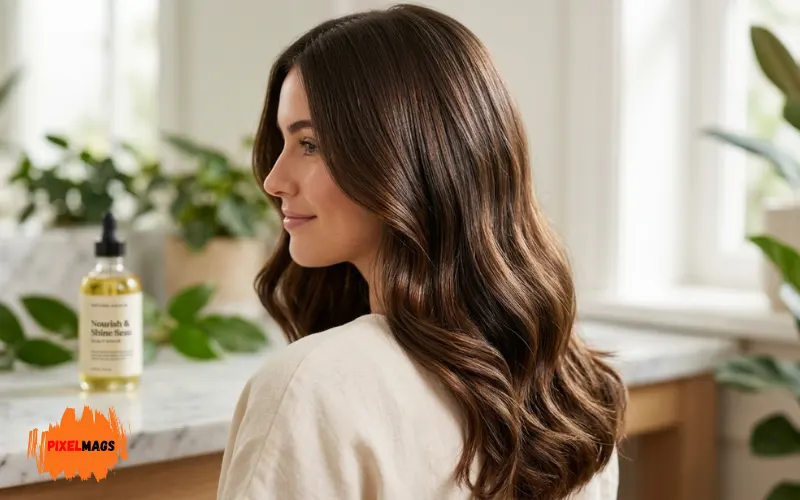
Healthy hair involves more than just looks. It is defined by trichologists as having enough moisture, elasticity, natural luminosity, and minimum susceptibility to damage and a functioning scalp. Hair itself is made of mainly keratin and the health of the hair is caused by internal and external factors such as nutrition, hydration, health, heat, friction and chemical exposure. The reason is explained by the structure of the hair: the cuticle layer is a protective cover for the hair. Moisture and damage control in hair relies mainly on its smoothness and integrity; if it remains smooth and intact. If it is damaged, its dryness, frizzy and breakage follow right away.
Some common home reasons for damage to the cuticles include:
- Heat: No protective measures taken for excessive heat
- Chemicals: frequent coloring, bleaching, or chemical relaxers
- Friction: rough towel-drying, tight hairstyles, or aggressive brushing etc.
Know Your Hair Before You Build a Routine
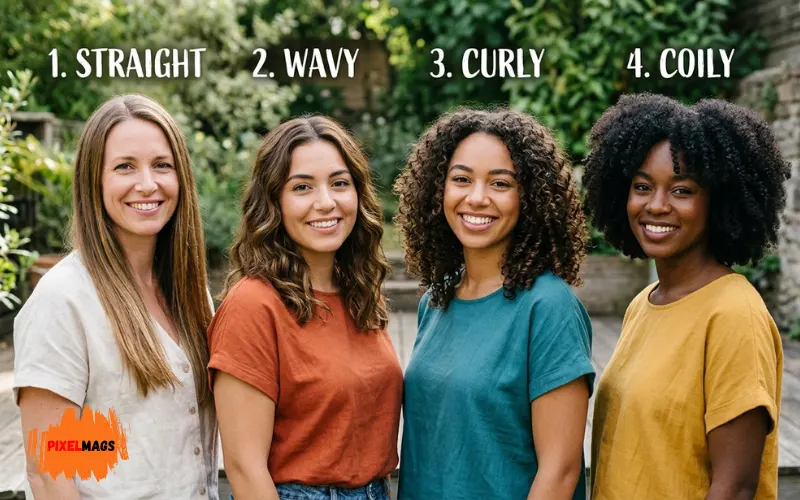
No one size fits all when it comes to the workout. Hair texture – fine, medium, coarse, pattern -straight, wavy, curly, coily, all influence the way in which your hair reacts to products and heat. The speed at which hair gets wet can also be used to estimate how much moisture the hair can absorb as can the speed at which hair dries out. High porosity results in a high absorption rate, that means moisture is lost quickly. Low porosity hair is not only difficult to absorb moisture, it’s also difficult to rid of it.
Key Takeaway: Developing a good routine and what kind of hair style is advisable for the head depends on knowing what type of hair and scalp you have.
The Core Components: Cleanse, Condition, Protect
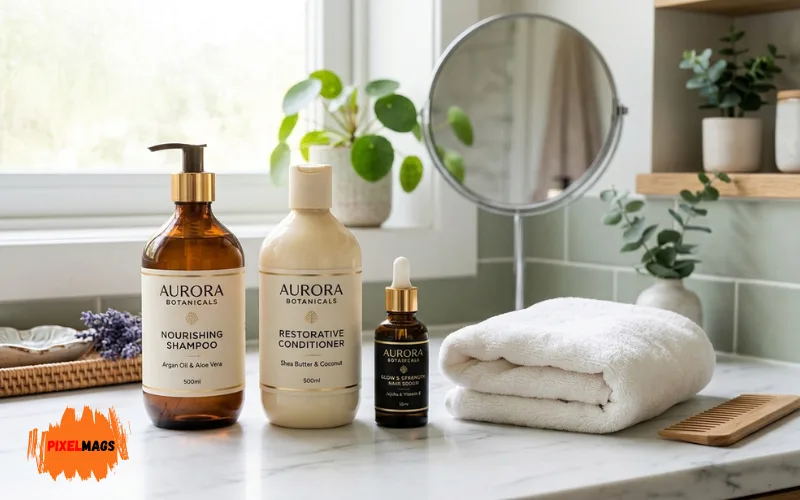
Cleansing works to eliminate any buildup and helps maintain healthy scalp, which every dermatologist has associated to thicker and stronger hair growth. Use more or less strength shampoo according to the actual condition of the hair; use a lighter shampoo for dry or chemically treated hair, or a clarifying shampoo occasionally when hair is heavy in buildup; wash less frequently than every day if scalp exudes oil and/or if you are active.
Conditioning replenishes moisture and smoothes cuticle. Regular maintenance can be done with rinses while leave-in conditioners provide protection every day, and deep conditioning masks provide intensive care every few washes. Fine hair will need less deep conditioning than coarse or coily hair. Ingredients are important: humectants (glycerin) attract moisture to the hair shaft, emollients and occlusives (oils and butters) help to retain moisture.
Most people overlook the protection step. Heat-protectant products create a barrier effect which decreases moisture loss and protects the cuticle from direct heat. Other than products, there are lots of other features that make a difference: Using a microfiber bath towel, combing your hair with a wide-tooth comb and switching to a silk or satin pillowcase to reduce friction during sleep.
Using Heat Thoughtfully
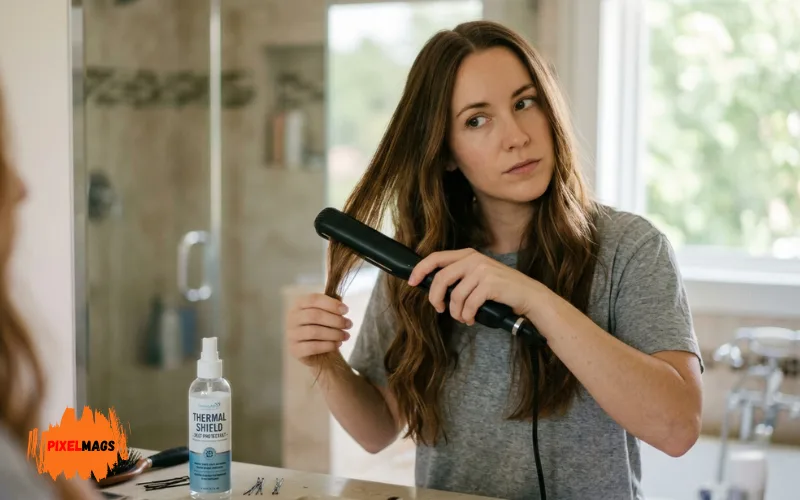
Heat forces the hydrogen bonds in hair to temporarily keep a shape, but continuous or unprotected high heat can damage the cuticle and can dry hair over time. Some safety tips for all of the heat tools:
- Use heat protectant before styling hair at all times.
- Use the temperature setting that is lowest enough for your hair.
- Make a maximum of 4 passes over each section.
- Make regular days of heat-free styling a part of the routine
Note: Don’t take your heating setting to the lowest setting if it still covers the job; it is not the default setting.
Adapting and Knowing When to Seek Help
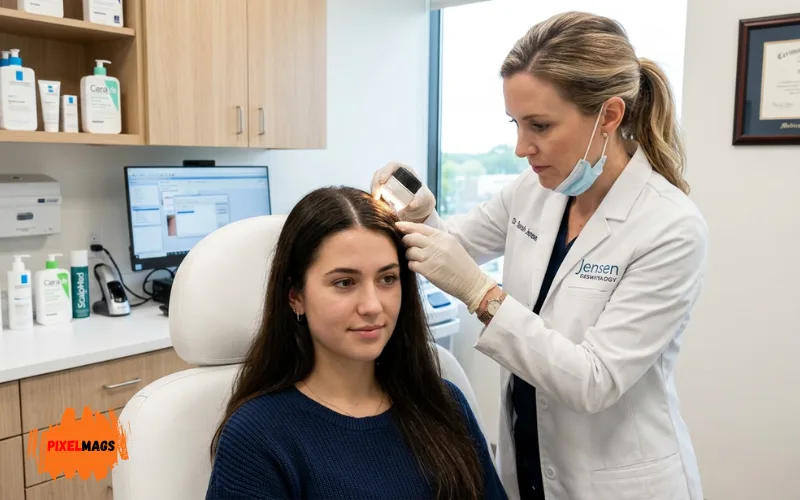
Listen to your hair! Any of these is an indication to reduce the heat, increase moisture, or trash the products. Little tweaks, such as using a protein-rich conditioner, regular washings aren’t necessary, can make a difference in 2-3 weeks. However, if your problem with your scalp persists or you’ve experienced a sudden loss of hair, or your hair breaks more than usual and you’re not able to improve it with better hygiene, then it’s time to see a dermatologist or trichologist. Getting professional advice that is based on fact will always beat any and all corrective medicine on the internet.
Building a Sustainable Habit
Keep hair healthy at home will be based on four principles: knowing your hair & scalp, keeping it simple & consistent, using styling tools with purpose—not on auto-pilot, and making necessary adjustments based on how the hair reacts. The weekly plan could be a “wash and condition” day, a dedicated day for deep conditioning, a limited day for heat styling and 1 or 2 heat-free days built in (of course, this can vary according to the individual).
Key Takeaway: When considering hair care routine at home, the first thing to understand is that more than anything else it depends on how you take care of it on a daily basis. You’ll be determining the health of your hair based on how you wash and style it.
Small and regular changes will be more beneficial than large and unsustainable changes. Changes one at a time.
Read Next: Neutral Nails Delight: 25 Trendy Manicure Ideas to Fall in Love With

Maya Aiden, your multifaceted guide through the realms of lifestyle, fashion, business, technology, law, and entertainment. With Maya’s expertise, explore a world where style meets substance, innovation meets insight, and trends meet transformation.