
In 2025, employee engagement fell. It sat at its lowest since 2020, at a measly 20%.
But employee disengagement doesn’t usually happen overnight. In many workplaces, it builds slowly. People start feeling disconnected. Communication becomes weaker. Everyday tasks begin to feel more frustrating that productive. Over time, motivation drops – and that can affect everything from performance to company culture.
The good news is, technology is making it easier for businesses to turn things around. The right digital tools – as outlined below can help employees feel more supported, connected, and valued in their day-to-day work.
AI-Enabled Self-Service and Support

One of the biggest workplace frustrations is wasting time on simple problems. Waiting for HR to respond? Trying to reset a password? Searching for basic company information? These are small issues, sure – but they build up. And they can become draining rather quickly.
AI-powered self-service tools help remove a lot of that frustration. Employees can get answers instantly through automated systems or chatbots – all without needing to wait for someone to step in manually. Tasks like booking leave, checking payroll details, or solving IT issues become much faster and easier.
That’s why many businesses now work with an AI solution provider – like ServiceNow – to improve internal support and automated repetitive tasks. When employees spend less time dealing with administrative headaches, they have more energy to focus on meaningful work.
Interactive Internal Communications
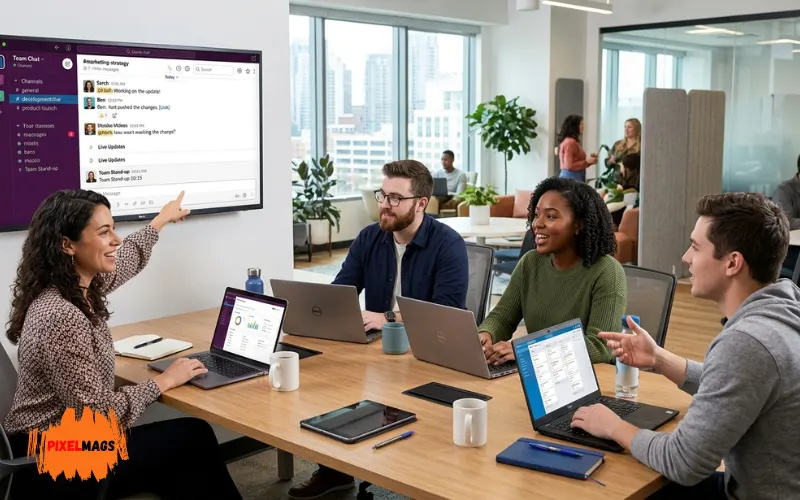
A lot of companies still rely heavily on long emails and top-down announcements. The problem is, this style of communication often feels impersonal and… It’s actually pretty easy to ignore, to be honest.
Interactive communication tools create a much better experience. Team chats. Live updates. Feedback channels. Collaborative platforms. All of these features (and more1) make communication feel natural and engaging. Employees are not just receiving information – they’re part of the conversation.
This is crucial for remote and hybrid teams. People want to feel connected to their coworker. They want to be included in company discussions. This is true even if they are not physically in the office every day. After all, WFH life can be isolating.
When communication feels open and genuine, employees are much more likely to stay engaged and invested in their work.
Unified Digital Training Portals

Most employees want opportunities to grow in their careers. But outdated training systems can make learning feel like a chore instead of something valuable.
A unified digital training portal is a must. It helps simplify the process. Employees can access courses. They can read learning materials. They can view certifications. All of this is available in one place, and they can access it whenever it works best for them. Some systems even suggest personalized training based on an employee’s role or career goals.
This flexibility makes a major difference. Rather than feeling forced into rigid training programs – a big concern for companies – employees can learn at their own pace. They’ll be able to focus on skills that actually matter to them.
At the same time, companies benefit. A more confident and capable workforce should be the aim here, and that’s what unified training provides.
Employee Recognition Platforms
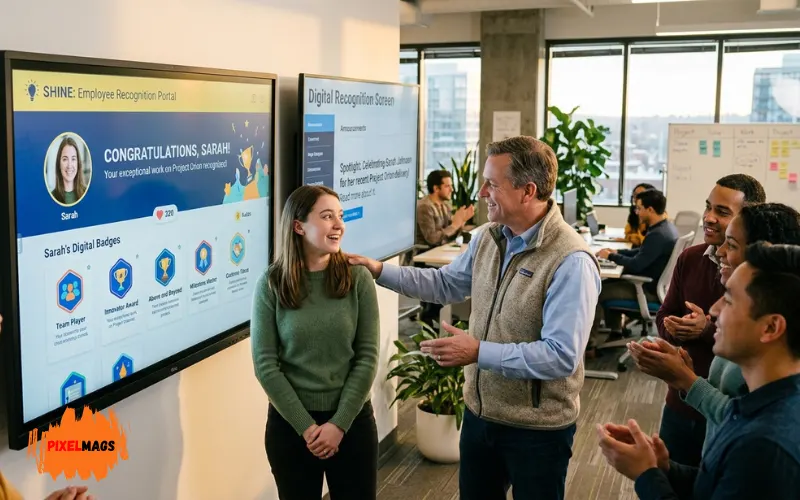
One of the primary components of Employee engagement is Employee recognition. By validating their work, you will help them to feel good about what they are doing and keep them motivated. Unfortunately, in many workplaces this is the only time that leaders speak to their employees – at annual reviews or formal meetings – where a worker may feel like they have been ignored for extended periods of time.
Modern employee recognition platforms address the problem by revolutionizing employee appreciation through making it an integral part of the daily corporate life. Managers and teammates can provide immediate feedback on accomplishment or success with projects, or assistance in teamwork. Little gestures like a thank you can help morale and get workers enthusiastic about their work.
A lot of businesses too have reward schemes via these platforms, which are based on gaming. Gamified reward systems are also used by many companies through these platforms. Points, badges and/or monetary rewards can be given for good job performance and working together with others. This will be building a more positive culture where staff will feel valued regularly – not occasionally.
Performance Tracking and Instant Feedback

When employees are “out of sight, out of mind,” it also makes it harder to retain them as staff. Or when they don’t feel their work is valued. Traditional yearly reviews aren’t enough anymore. They don’t give people the guidance or recognition they need throughout the year.
Modern performance tools help. They solve this problem by making feedback immediate and consistent. That’s what employees want. Here, managers can recognize achievements, track process, and address concerns in real time. This is preferred over waiting months to have a conversation.
Employees gain a clearer understanding, too. They know the expectations and goals. This means confusion is reduced and confidence is improved.
To conclude, technology is not a complete fix. It can help create a better workplace experience, though – and this could reverse employee disengagement over time. The tools mentioned above do this by making workers feel more connected and appreciated in their roles.
Flexible Collaboration and Project Management Tools
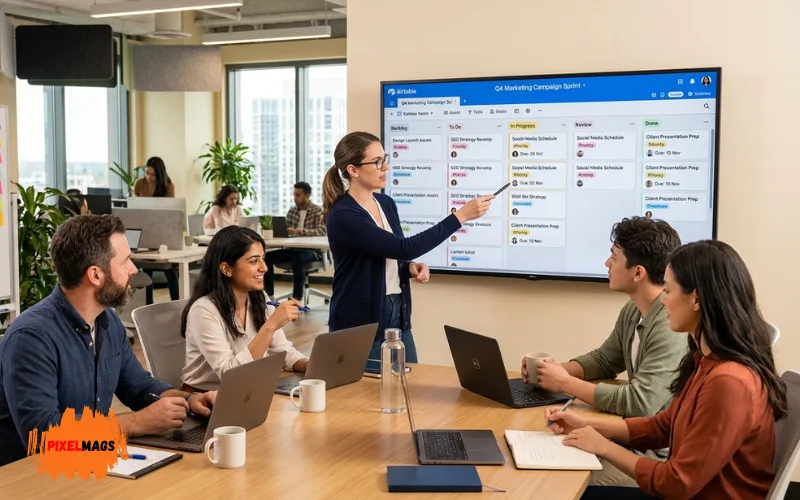
Another significant factor of why employees are frustrated makes them disorganized. Explain tasks, set clear deadlines, and ensure effective team collaboration for better productivity. It can cause employees to become disenchanted, and over time, affect an employee’s satisfaction in the workplace.
Collaboration tools are flexible and project management makes team organization easy and connected. Employees can keep up with each task, see how well they’re progressing, and get any updates in real time when using a shared workspace, task boards, and scheduling systems. This increases clarity in the way day to day work is positioned, which eliminates the ‘stressful attitude’ around it.
They are effective especially for teams across diverse time zones and hybrid teams. Staff members are able to effectively communicate and collaborate (disconnected/reconnected seamlessly); have easy access to their important files; and stay up to date with current projects. Easier workflows enable workers to focus on pertinent job tasks, staying away from unneeded time and problem.
Read Next: Fiber Internet Powers Modern Distributed Business Teams
