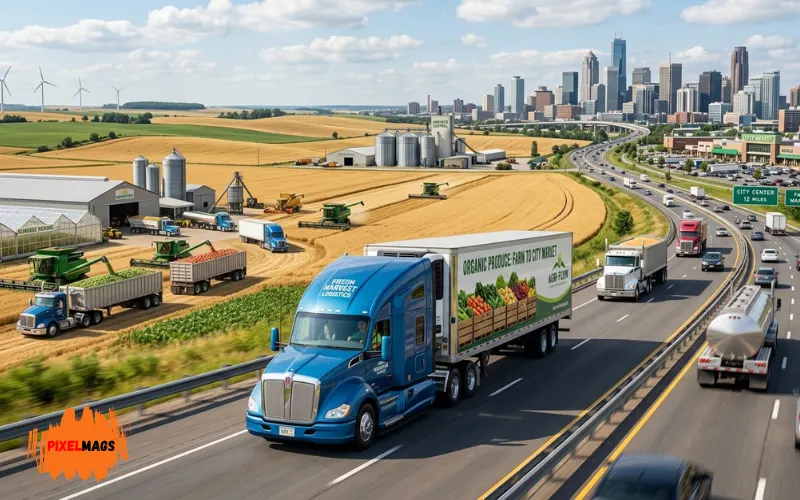
The biggest source of lost profit for most farms isn’t poor yields, it’s the avoidable waste and inefficiency in moving goods to market. Fuel costs, spoilage, empty return trips, delayed loads – they add up and are likely your hidden margin-killers. The kicker is they’re also largely controllable if you approach agricultural transport the same way you would agronomy or machinery maintenance: as a discipline rather than as an afterthought.
Cut Deadhead Miles Before You Do Anything Else
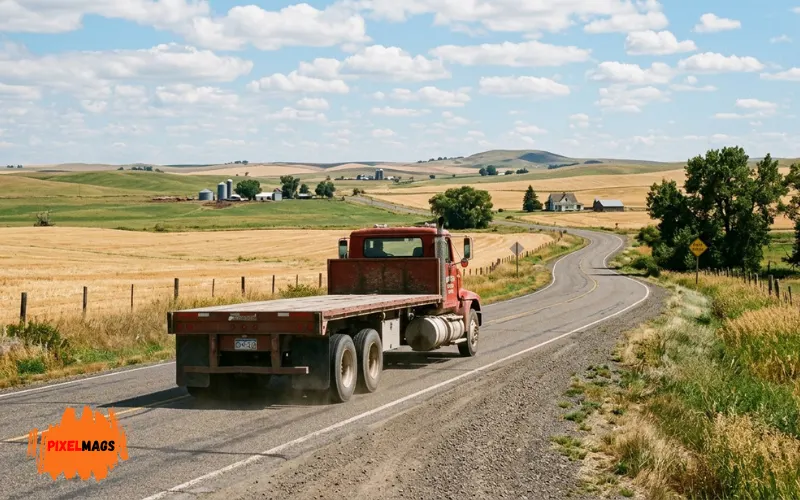
Empty return trips can be the most painful waste of efficiency in farm logistics, but they’re also among the easiest to reduce. Every mile a trailer runs without a load is a direct cost with zero revenue offset. Digital freight marketplaces allow you to post available capacity or find backhaul loads to fill return trips. If your truck is coming back from a distribution hub completely empty, odds are good that there’s someone in your network who needs something hauled in that same direction.
Coordinating that doesn’t mean needing a dedicated logistics rep – it means getting in the habit of checking first before you dispatch. Freight consolidation works the same way. If your operation isn’t big enough to fill a trailer with any regularity, combining your loads with those of neighboring farms or a co-op can lower your per-unit transport cost without you needing to invest in any new infrastructure.
Choose Transport Partners Based On Data, Not Habit
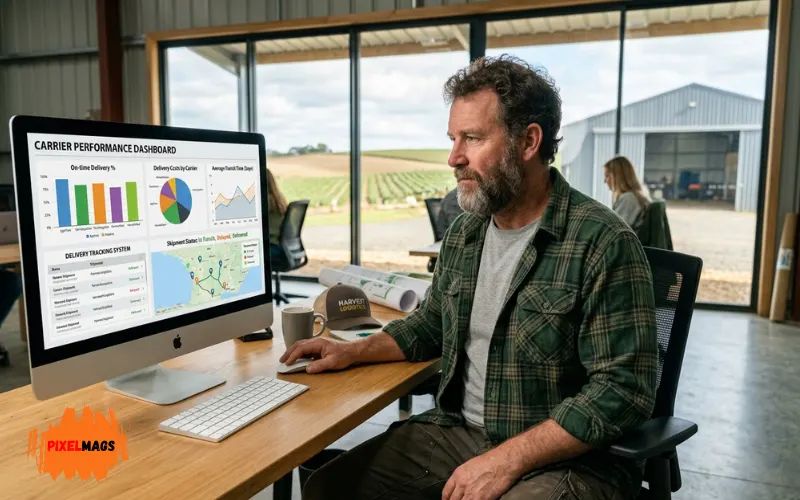
Many farms use the same carriers season after season, without ever really stopping to evaluate performance. It’s a lot of business to conduct on a handshake. But when you’re at the height of harvest, a carrier that’s habitually late or arrives with undersized trailers isn’t just an annoyance – it’s tens of thousands of dollars in product that could be past its prime in the field.
When you’re thinking about agricultural hauling, a good partner does more than show up with a truck – they understand the loads, the limitations of their equipment, and the regulations around how and when this type of agricultural freight can run. Evaluate them on performance related to transit time, loading time, and how they work with you on unavoidable exceptions. Keep those records. When it’s time to book capacity in a tight window at peak season, you want that history at your fingertips.
One of the most valuable tools for recurring hauling routes will be route optimization software. The software accounts for road weight restrictions, road closures, and actual distances, and can save 10% or more in drive time and fuel on typical routes. This kind of software is not something you “set and forget” – it needs a semi-annual check in if you are adding distribution points, but it pays off fast when you start establishing those regular lanes.
Temperature Control Isn’t Optional For Perishables
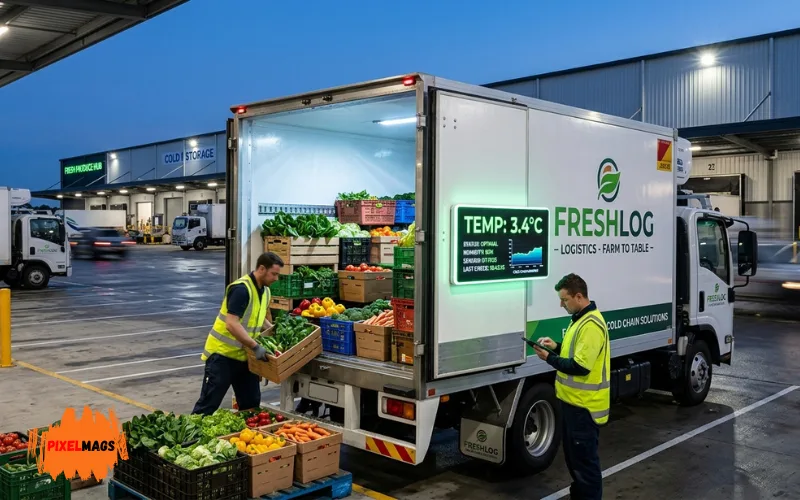
The USDA Agricultural Refrigerated Truck Quarterly reports that transportation costs can make up 20% to 30% of the total delivered cost of highly perishable produce. That could be a much higher percentage if you lose a complete load because your cold chain management failed.
IoT sensors installed in refrigerated vehicles can measure and record temperature and humidity along the journey. They can also alert drivers or dispatch if the readings exceed predetermined tolerances. If a buyer refuses a load because of questions on arrival temperature, you have the data to back up your position.
Cooling down the load before it enters the trailer is a step often passed by due to loading time constraints, but it is a step well worth time spent. A trailer struggling to cool down an ambient-temperature product is a losing battle before it pulls off the lot.
Automate Documentation To Reduce Dwell Time
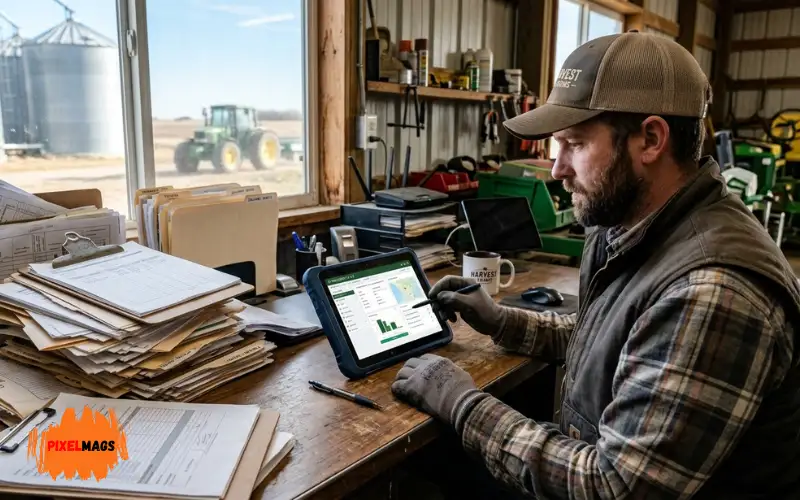
A lot of time is wasted during the transfer of products from the farm to the carrier. The excessive use of paper manifests, manual weight tickets, and hand-signed bills of lading during the loading process lead to errors and discrepancies that must be sorted out after the products have even left the farm.
While electronic logging devices have become the norm for commercial fleets, bills of lading, proof of delivery, and carrier compliance records are still mostly on paper for many farm operations. If farms switch to digital documentation systems, this reduces the amount of time haulers spend at the loading dock and provides all parties involved in the process with easily accessible records that they can use without having to make time-consuming phone calls.
Another aspect to consider is load balancing. Improper weight distribution poses compliance risks and places undue stress on your equipment. Moreover, it can even nullify the warranty on some of your new trailers. Weighing your axles before you leave the farm will only take a couple of minutes. However, repairing your equipment during harvest will take a lot longer.
Maintenance Schedules Protect More Than Equipment
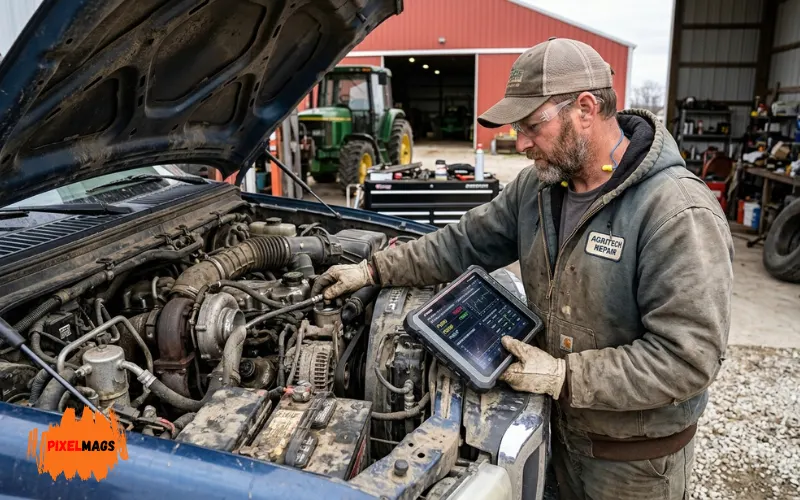
A truck breaking down when you need it for harvest is not just about maintenance. It’s lost revenue. If it’s a delivery truck that goes down while loaded with perishable goods, the loss could be the entire value of the shipment, not just the cost to repair the vehicle.
Preventative maintenance based on when you’re operating your equipment makes much more sense than service intervals tied to some arbitrary odometer reading. Subtracting work hours, planting or harvesting windows, and mapping out service times before the next big haul all puts less wear and tear on your equipment and ensures it’s available when you need it. Many telematics systems can keep tabs on your engine, send alerts for excessive idling, and even monitor wear indicators on those truck brakes.
The most efficient farms we know manage their equipment like they manage their fields: it’s going to get dirty, parts will wear, things are going to break, but you’ve got documentation for scheduled maintenance and a plan for if it does.
Read Next: Navigating the Hidden Financial Costs of Remote Work and Rising Utilities in Australia

Meet Jason, a Fitness, Nutrition, and Wellness Writer and Editor with over 6 years of industry experience. He’s not just a wordsmith, but also a Certified Personal Trainer (CPT) and Corrective Exercise Specialist (CES) through an NCCA-approved program. Jason’s passion lies in empowering individuals to improve their sense of self-worth by guiding them towards their fitness goals. His journey is a testament to the transformative power of education and support in the pursuit of a healthier, more confident you.