
Most parents sign their kids up for activities because they want good things for them. A patient coach. A trusted tutor. A church volunteer who has known the family for years. A weekend group run by someone everyone in the neighborhood seems to like.
That familiarity can feel comforting. It lowers your guard before you even realize it. Still, a good reputation is not the same as a safety plan. Children need spaces where adults are open, rules are clear, and parents can ask direct questions without being treated like they are causing trouble.
Familiar Does Not Always Mean Safe

Families are usually careful around strangers. Familiar adults feel different. They are part of the school, the church, the sports league, the neighborhood, or the wider family circle. People know their names. Other parents speak well of them. They may have been around children for years.
That kind of trust can be valuable, but it can also make parents skip simple checks. No one wants to seem suspicious. No one wants to be the parent who asks the uncomfortable question in front of everyone else. So the group stays trusted simply because it has always been trusted.
A safer mindset is to separate personality from policy. A warm smile does not replace written rules. A good reputation does not replace screening. Any adult working with children should be comfortable with parent involvement, clear boundaries, and reasonable questions.
Kids’ Activities Are Valuable, But Oversight Still Matters

After-school clubs, sports teams, faith groups, music lessons, camps, and tutoring can be great for children. They build confidence, help kids make friends, and give them a place to grow outside the classroom.
That is exactly why parents should stay involved. Families can support children’s out-of-school activities while still asking how supervision, transportation, communication, and emergency plans actually work.
A well-run program should be ready for these questions and answer them without making parents feel like they are being difficult. If a leader seems irritated by basic safety concerns, that response is worth noticing.
Ask Who Will Actually Be With Your Child

Before saying yes to an activity, look past the flyer, the group photo, and the friendly introduction. Ask who will be with your child during the session. Ask where they will be. Ask what happens when the room gets crowded, the schedule changes, or the usual leader is absent.
Parents can ask whether volunteers are screened, how many adults are present, and whether one-on-one time is allowed. Bathroom breaks, pickup rules, rides home, field trips, and overnight events all deserve clear answers.
These questions are normal. They do not make a parent difficult. They make expectations clear before a child is placed in someone else’s care.
Pay Attention to Communication Boundaries

Adults who work with children need clear rules for communication. Texting, social media messages, group chats, photo sharing, and late-night contact should never be casual gray areas.
Private messages can become confusing for a child, especially when they come with praise, secrecy, or special attention. Parents should know whether communication goes through a parent, an official group platform, or a public team channel. One-on-one contact should not be hidden or treated as harmless simply because the adult is well-liked.
Healthy programs keep communication visible. Parents should be able to see who is reaching out, why the message was sent, and whether it fits the activity.
Watch for Changes in Your Child’s Behavior
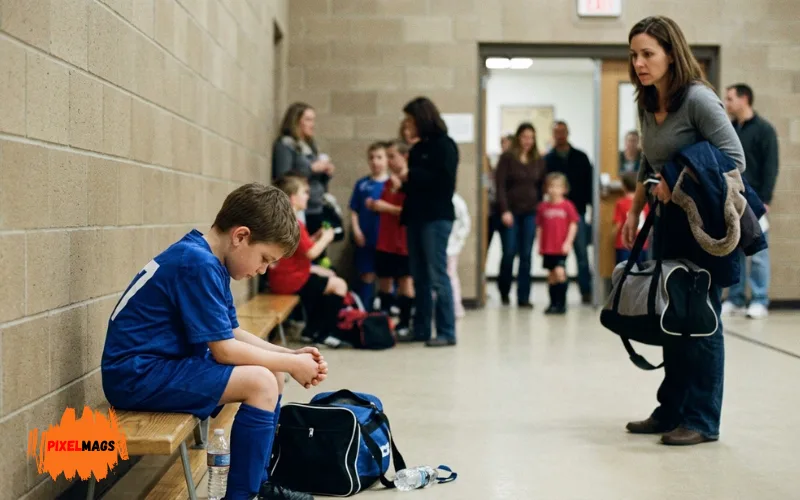
Children do not always have the words to explain when something feels wrong. Some become quiet after an activity they used to love. Others seem anxious, angry, clingy, withdrawn, or suddenly unwilling to attend.
Patterns matter. A strong reaction to a specific adult, place, or routine should not be brushed aside. Unexplained gifts, secrecy, fear of getting someone in trouble, or sudden mood changes can all be reasons to pause and ask gentle questions.
A child’s sudden discomfort, withdrawal, or fear around a certain person can be among the warning signs parents and caregivers can watch for when deciding whether a behavior change deserves a closer look.
Church Groups and Community Programs Need the Same Questions

Church groups, youth ministries, neighborhood programs, and long-running community clubs often feel safe because families know the people involved. That comfort is understandable. Still, these spaces need the same basic safeguards as any camp, team, class, or after-school program.
In California, many families are connected to churches, private schools, and youth programs that have served their communities for generations. If concerns involve past or current abuse connected to a religious organization, speaking with a California clergy abuse lawyer can help families understand what information may matter and what options may exist.
The same thinking applies in other places. A parent in Illinois, Texas, or New York may deal with different local rules and reporting systems, but the practical questions are familiar. Who supervises the children? Are volunteers screened? Can parents access the space? What happens when someone raises a concern?
A responsible organization should be able to answer without becoming defensive. Clear records, dates, names, messages, and prior reports can help families make sense of concerns without relying on rumor or guesswork.
Keep Notes Without Jumping to Conclusions

When something feels off, write it down. Dates, names, messages, schedule changes, unusual comments, and shifts in your child’s behavior can help you see whether a concern is isolated or part of a pattern.
This does not mean spreading rumors or confronting someone in anger. It means keeping a clear record while you decide what to ask, who to contact, and whether the program’s response feels appropriate.
No parent has every answer right away. What matters is having enough information to act calmly, protect your child, and avoid letting confusion or embarrassment silence a real concern.
Trust Your Instinct, Then Verify

Parents should never feel like they are causing trouble by asking careful questions. When a child’s safety is involved, adult comfort cannot be the priority.
Healthy programs respect parent involvement. They explain their rules, welcome feedback, and make it easy to raise concerns. When a group becomes defensive, secretive, or dismissive, pay attention.
Trust still has a place in kids’ activities. It simply needs support from clear rules, visible communication, and adults who understand that child safety works best when parents stay involved.
Read Next: 6 Easy DIY Costume Ideas For Kids

Maya Aiden, your multifaceted guide through the realms of lifestyle, fashion, business, technology, law, and entertainment. With Maya’s expertise, explore a world where style meets substance, innovation meets insight, and trends meet transformation.