What is architectural photo editing?
Architectural photo editing prepares photos of buildings and interiors for portfolios, publications and marketing. The work corrects perspective so vertical lines stand straight, balances light between bright windows and darker rooms, cleans surfaces and replaces dull skies, so the design is shown clearly.
Architects, interior designers and construction firms use these images for award entries, websites and proposals, where small distractions and leaning walls stand out.
Perspective correction and straight verticals
Perspective correction is the most important step in architectural photo editing. When a camera points up at a building, vertical lines lean inward. Editing straightens them while keeping the proportions of the facade correct, the same result a tilt-shift lens gives on location.
Can you blend bracketed exposures?
Yes. Interiors are often shot as several exposures. Blending them keeps window views visible and shadows open without the flat, grey look of automatic HDR software.
Cleanup, skies and twilight images
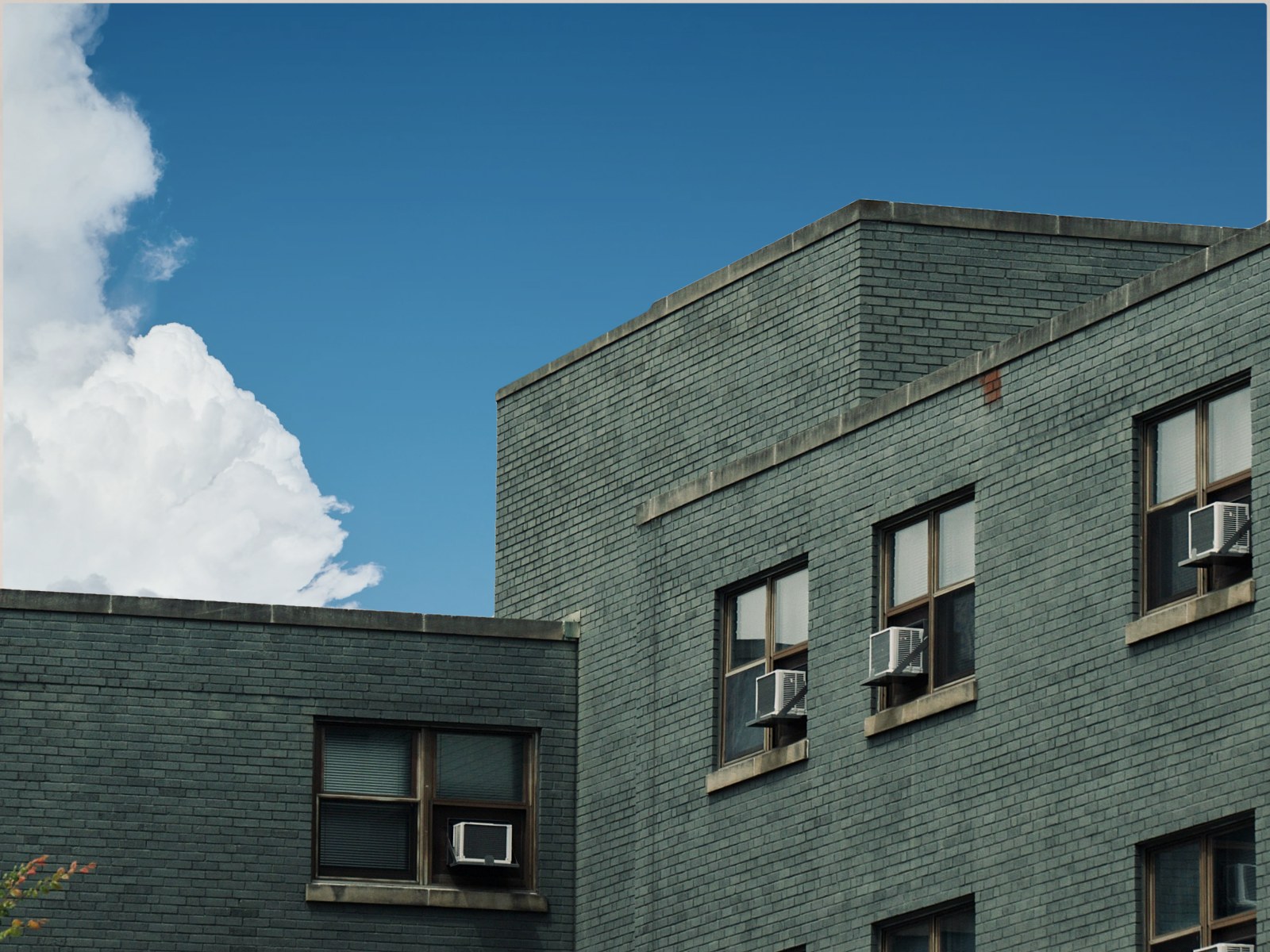
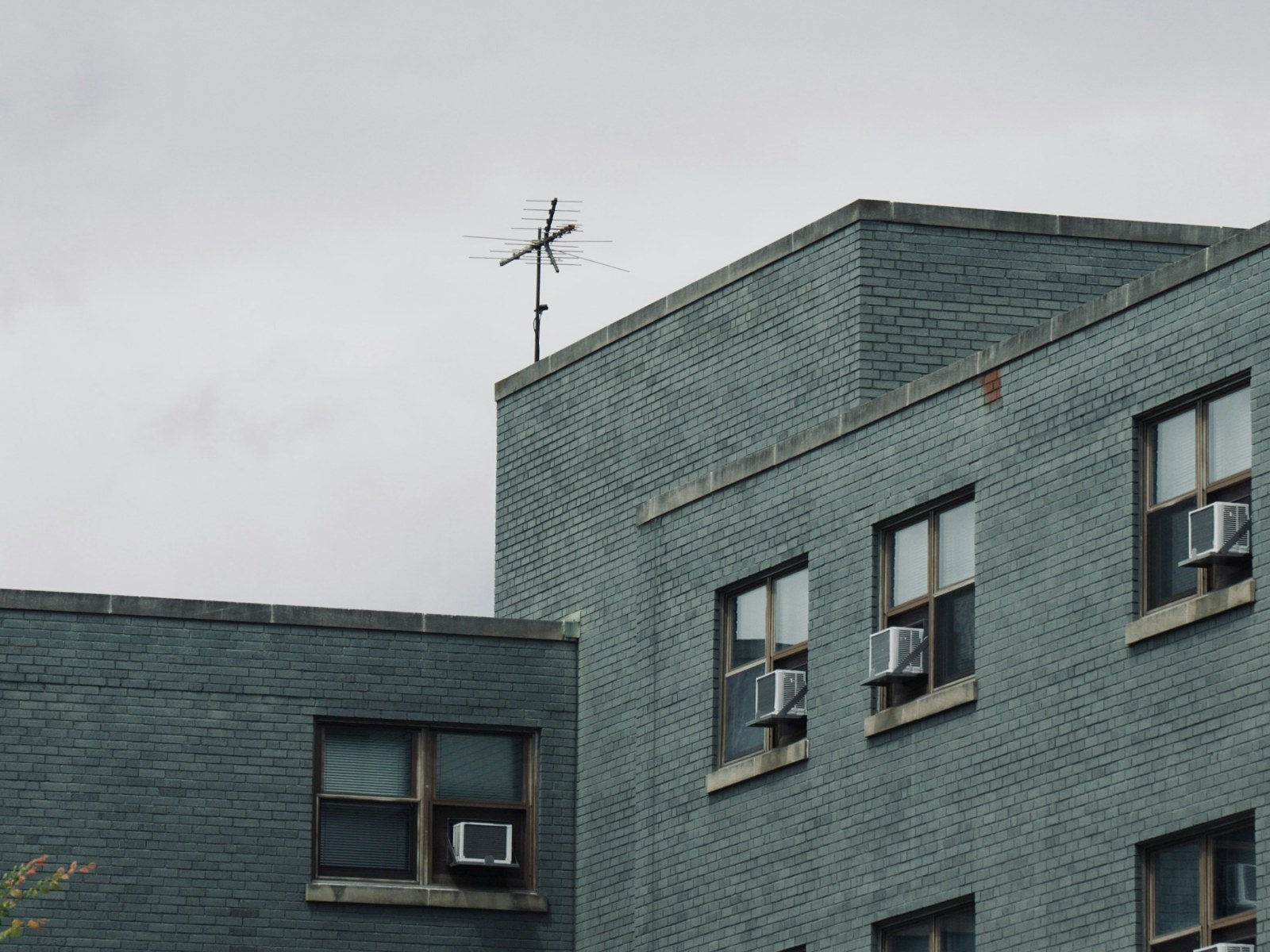
Exterior architectural photos often include cars, cones, cables, signs and people. These are removed and the background rebuilt. Grey skies can be replaced with a clear sky that matches the light direction, and day-to-dusk conversion creates a twilight image with lit windows from a daytime shot.
Residential listings use a lighter version of this work in real estate photo editing, and interiors with strong window light benefit from HDR photo editing. Empty spaces can be furnished with virtual staging. To check print sizes for presentation boards, use the DPI and print size calculator.